
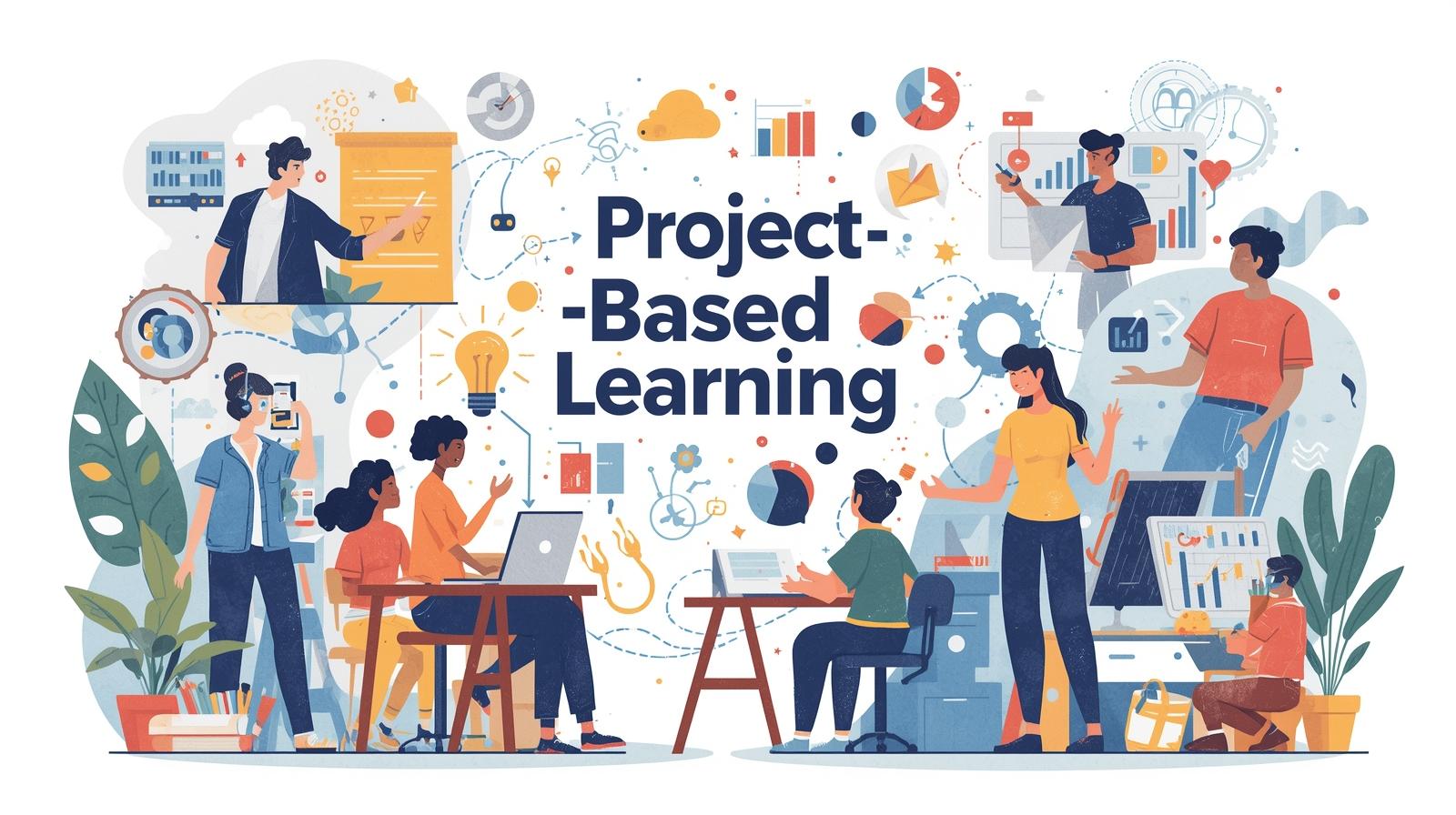
Introduction to Project-Based Learning (PBL)
Project-Based Learning (PBL) is rapidly gaining recognition as one of the most effective educational approaches in the modern world. Unlike traditional methods that rely heavily on lectures, rote memorization, and standardized testing, PBL focuses on engaging students through real-world challenges and collaborative projects. This model encourages learners to actively participate, investigate, and develop solutions, which not only enhances understanding but also builds practical skills that are crucial in the 21st century.
Shift from Traditional to Modern Learning
The traditional education system has often been criticized for being too rigid, focusing on theoretical knowledge rather than practical application. Many students graduate without the ability to apply what they have learned in real-life situations. This is where PBL bridges the gap. By involving students in projects that simulate or directly connect with real-world scenarios, the learning experience becomes more meaningful. For example, students working on a project about renewable energy might design and test solar-powered models, integrating concepts from science, technology, and mathematics into one cohesive activity.
Skills Developed Through PBL
One of the most compelling reasons PBL is becoming a key trend is its emphasis on skill development beyond academics. Students learn problem-solving, critical thinking, collaboration, time management, and communication skills. These abilities are essential in today’s job market, where employers value creativity and adaptability just as much as technical expertise. Moreover, working on long-term projects teaches students resilience and responsibility, preparing them for professional environments where teamwork and deadlines are inevitable.
Integration of Technology and Innovation
Technology plays a significant role in the rise of PBL. With access to digital tools, online research platforms, and collaborative software, students can explore topics in more depth and present their work in creative ways. For instance, a group project might involve designing a mobile app to solve a local problem or creating a digital presentation to showcase research findings. This integration of technology not only enriches the learning process but also ensures that students are tech-savvy, a critical skill in the digital age.
Real-World Relevance and Engagement
Students often question the relevance of what they learn in classrooms. PBL addresses this by connecting lessons with real-world issues. When students understand that their projects can have a tangible impact—such as raising awareness about environmental issues or contributing to community development—they are more motivated to learn. This sense of purpose fuels deeper engagement, ensuring that learning is not just about passing exams but about making meaningful contributions to society.
Support from Educators and Institutions
Educators and institutions worldwide are increasingly adopting PBL as they see its benefits in improving student outcomes. Schools are redesigning curricula to include more project-based components, and teachers are being trained to facilitate this type of learning. Universities and online education platforms are also encouraging PBL as part of their teaching strategies, recognizing that students equipped with practical skills will have a stronger advantage in the job market. For an in-depth look at how institutions are adapting to this trend, you can explore resources such as Project-Based Learning.
Future of Education with PBL
As education continues to evolve, PBL is likely to remain at the forefront of innovation. The future classroom will emphasize creativity, collaboration, and problem-solving, moving away from passive absorption of information. With globalization and technological advancements, students must be prepared for jobs that may not even exist today. Project-Based Learning ensures they are adaptable, innovative, and capable of lifelong learning, making it a cornerstone of future education systems.
Conclusion
Project-Based Learning is more than just a teaching strategy—it is a transformation in how education is perceived and delivered. By emphasizing real-world applications, critical skills, and active engagement, PBL is preparing students not just for academic success but for life beyond the classroom. As schools, educators, and institutions continue to adopt this approach, it is clear that PBL will play a defining role in shaping the future of education.

Leave a Reply